Warwick Railway Station

Brosnan Crescent, Warwick

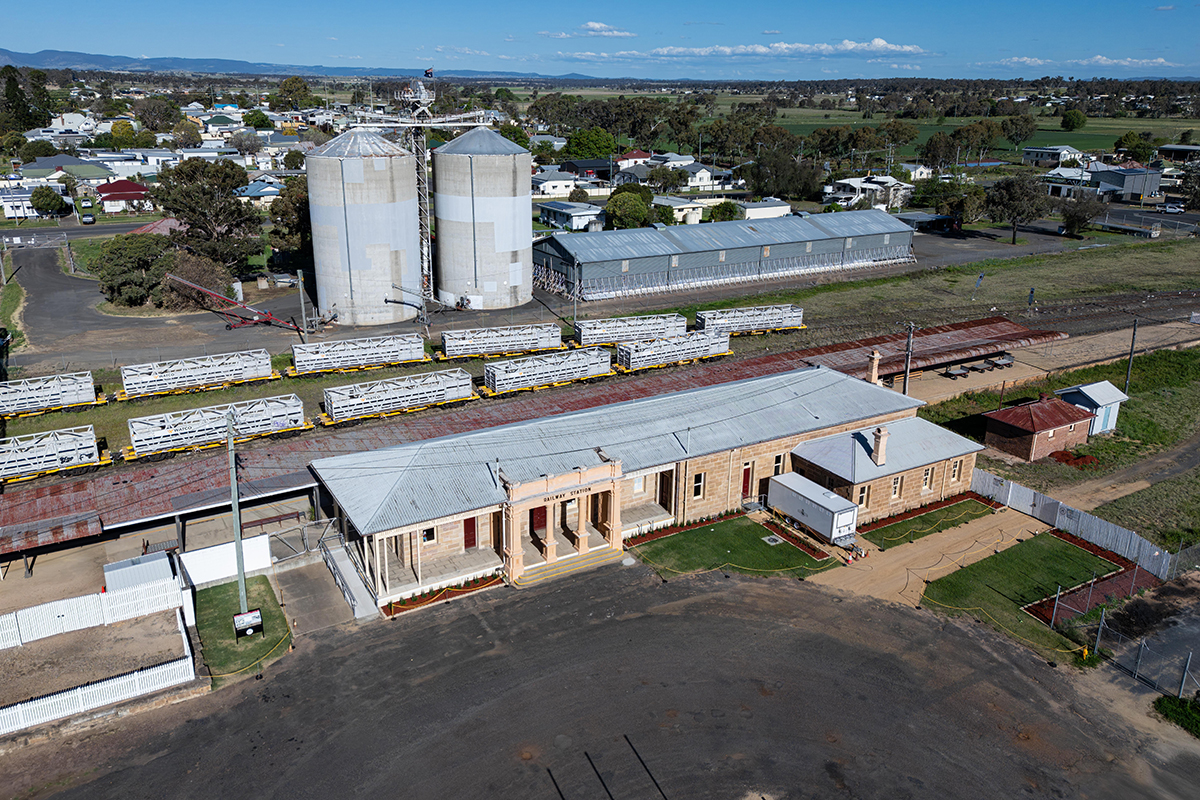
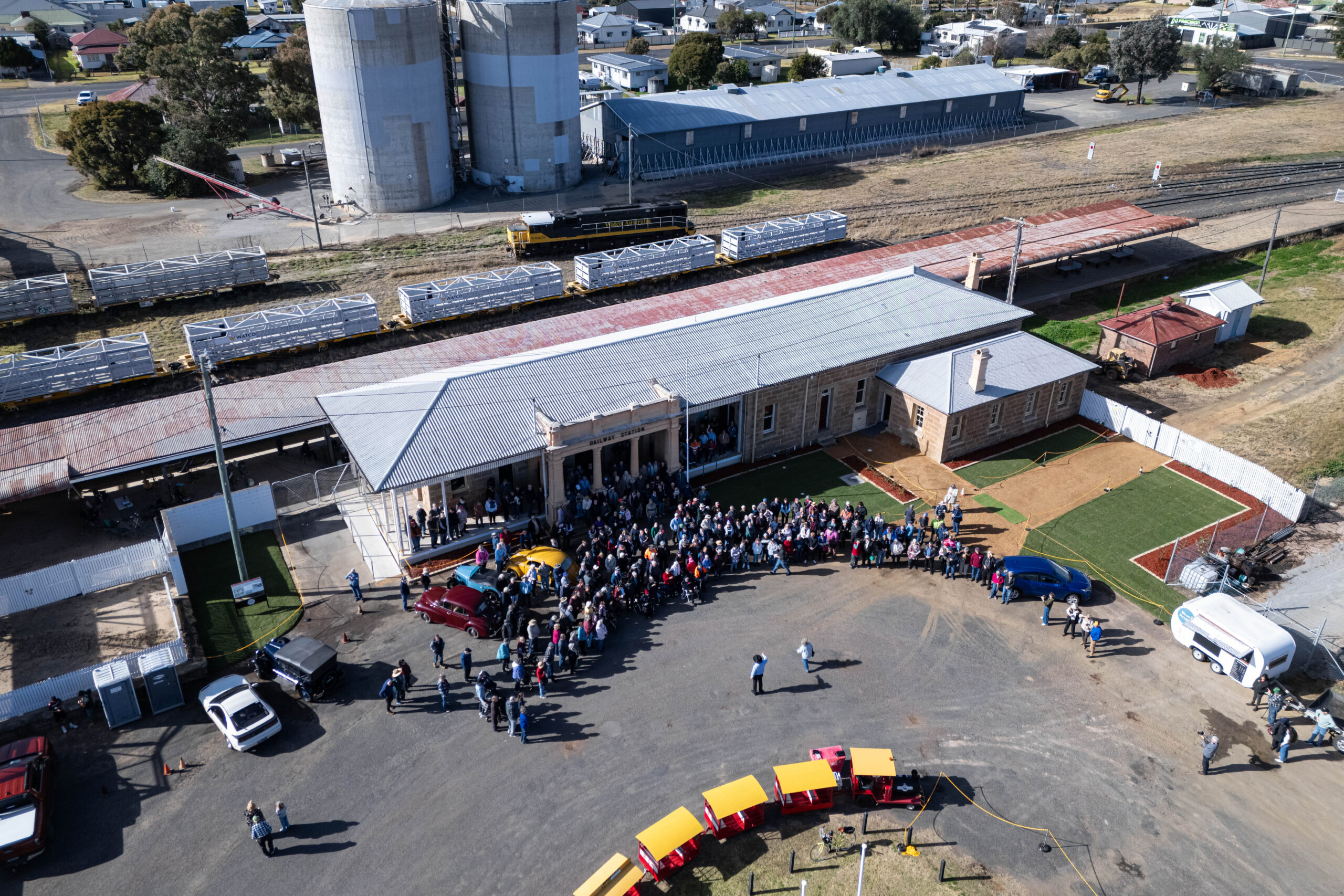
The station building is a functioning railway station used extensively by the Southern Downs Steam Railway Assoc Inc. (SDSR) for retail and ticket sale proposes. Other tenancies include a Railway Tea Room Café, an information centre and ‘The Heritage Hall’ available for functions (weddings etc).

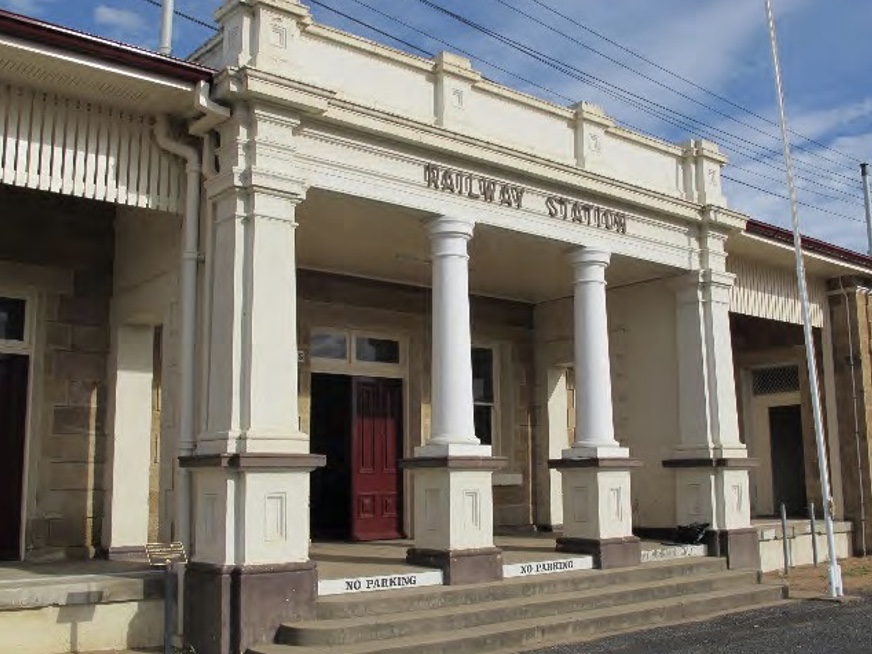
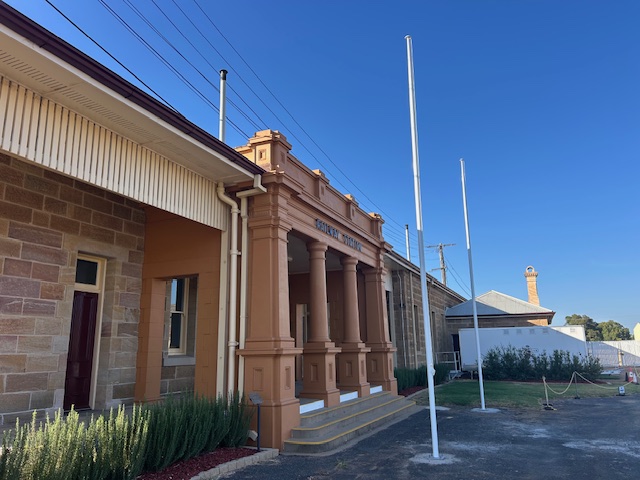
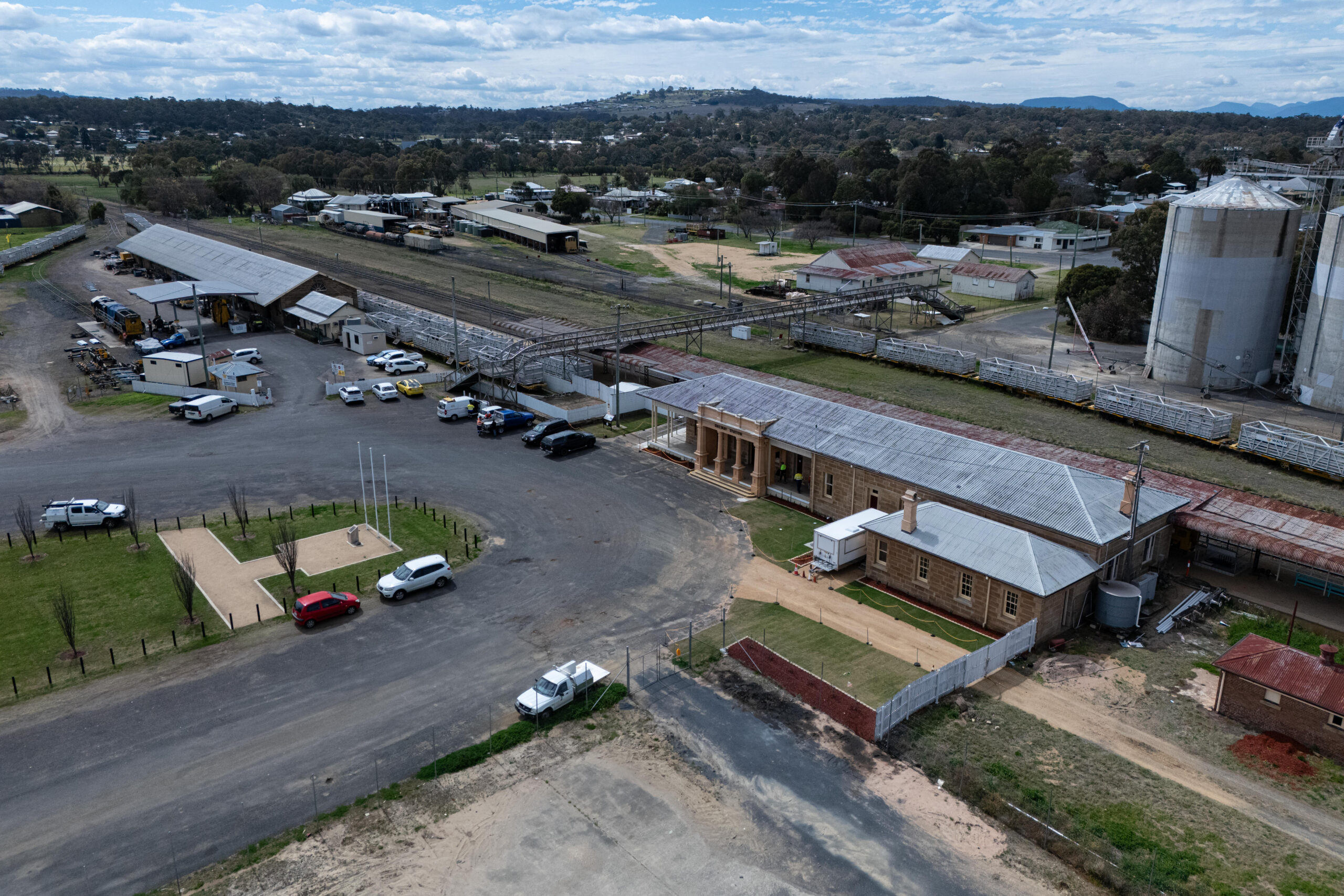
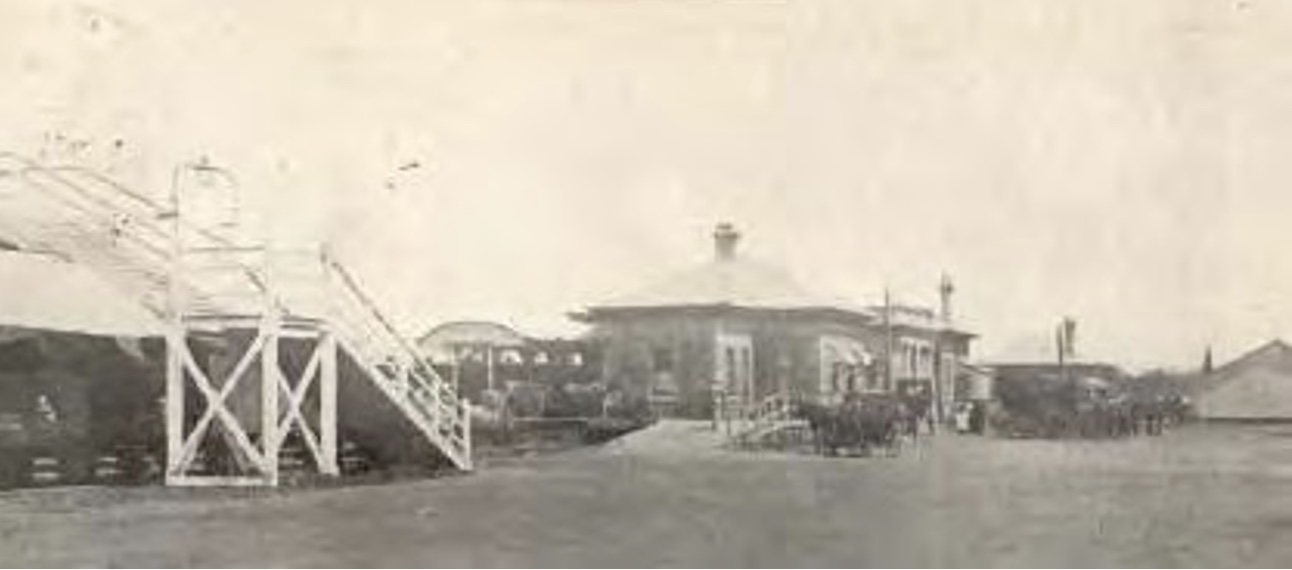
The heritage listed Warwick Railway Station was originally built in 1886. 

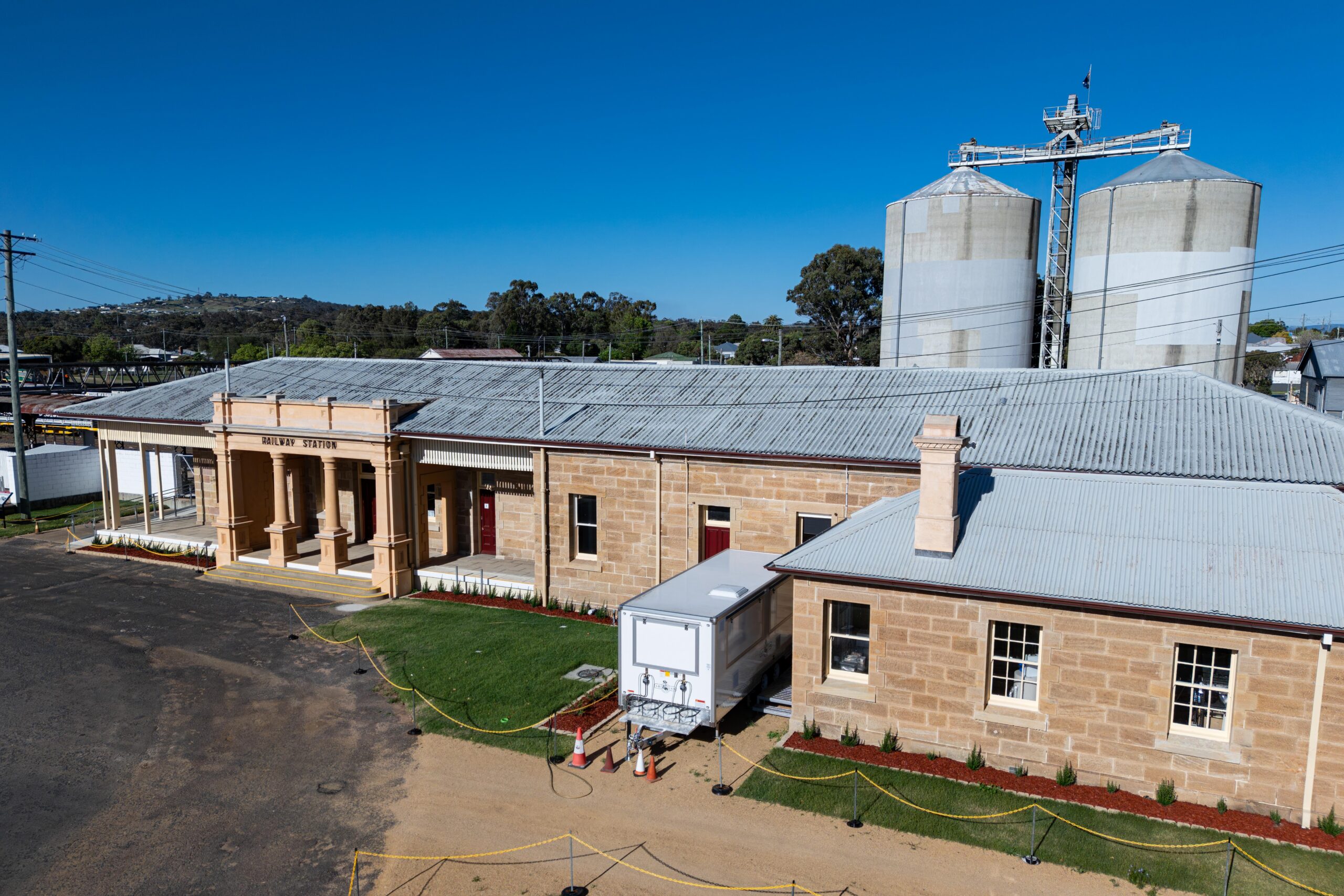
It is unique in that it was built primarily of local sandstone and marble with timber trim, doors, and windows.

Operations


The Warwick Railway Station is one of Warwick’s most significant grand landmarks. Its current operations are important to the local community.

Current operations include:

  • Tourist Information Centre
  • The Railway Tea Room (café)
  • The Heritage Room – available for weddings, concerts etc
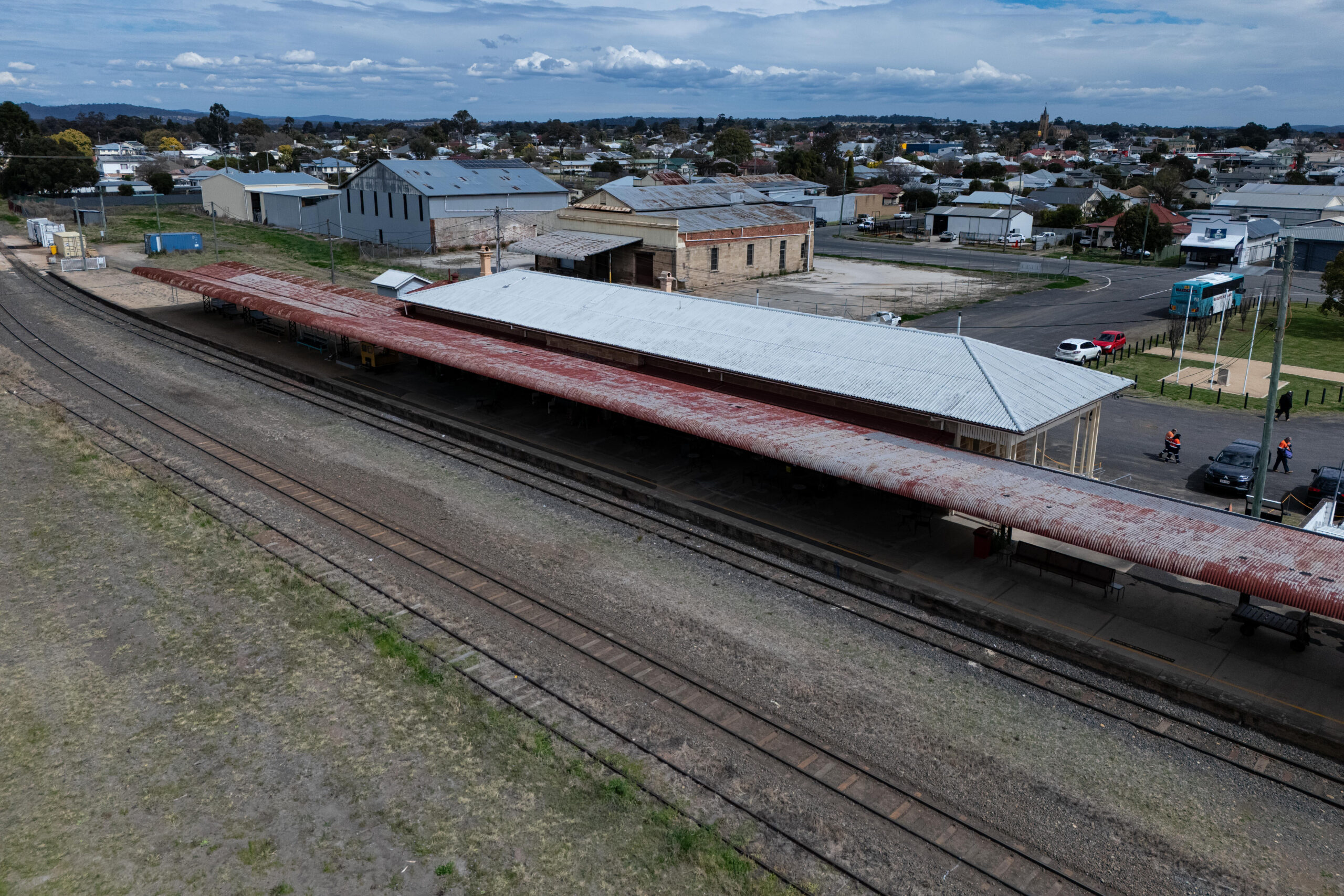
  • Weekend growers and makers markets on the railway platform
  • SDSRs ticket and retail sales and tourist railway operations
 

How To Get Involved


Statement Of Significance


The statement of significance addresses the significance of the place in relation to the categories of cultural heritage significance as set out in the Burra Charter.

The Warwick passenger station and ancillary buildings, platform shades, footbridge and forecourt are culturally significant in the following ways:

Historical Significance
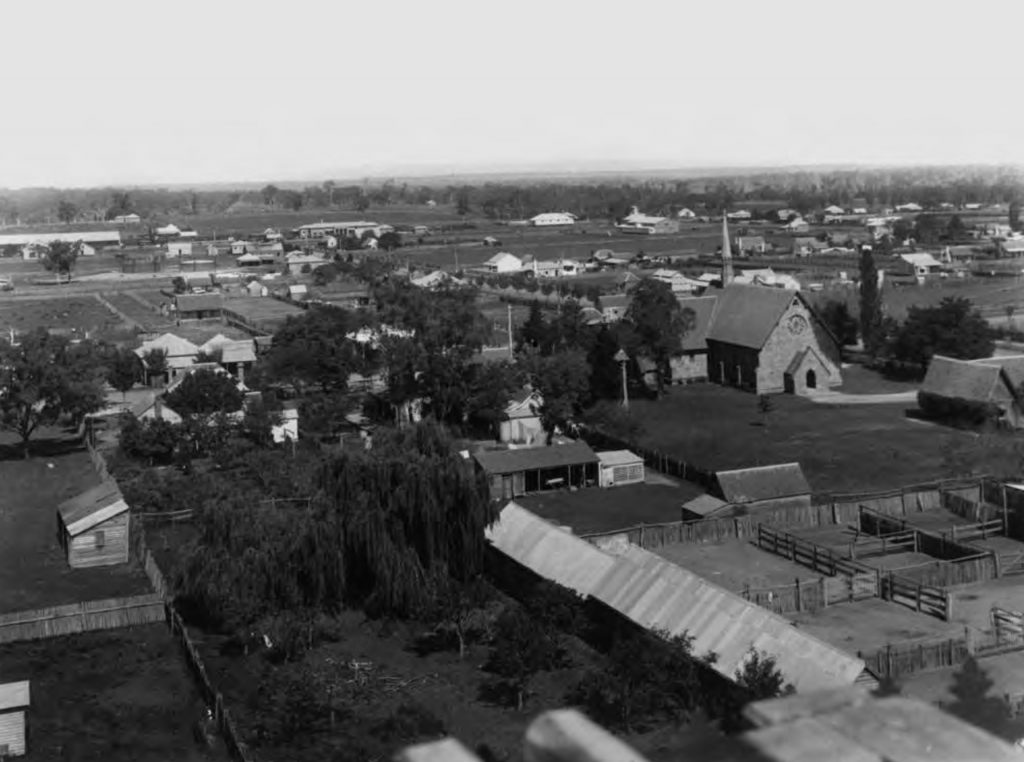
  • All elements in scope as part of the greater Warwick Railway Complex which demonstrates the development of Queensland’s first railway, the Southern and Western Railway, and the important role it had to play in the growth of the significant pastoral and agricultural region of the Darling Downs. It also demonstrates the Queensland Government’s policy to provide a rail link to the New South Wales border to attract trade into Queensland and serve the mining area at Stanthorpe.
  • The grand nature of the passenger station building, as a large masonry building with distinctive design features reflected the economic importance of the Southern Darlings Downs and the importance of Warwick, prior to World War II, as a regional centre, freight hub and passenger station on the main route to Sydney. It also demonstrates the fundamental importance of rail freight and passenger services to the growth of any region prior to the War. The importance of the rail link and station declined with the development of more efficient road transport after World War II.
  • The passenger station also reflects the phase of building in Warwick in the late 19th and early 20th centuries when sandstone was the dominant building stock for large public buildings in the town due to its accessibility from sandstone quarries in the local area.

Rarity

  • The passenger station is the only example of a sandstone passenger station in Queensland. Some of the major railway stations of the time were of masonry construction, however, Warwick passenger station remains rare in its construction being predominantly of sandstone, a more unusual choice of building material, reflecting the abundance of sandstone in the local area.
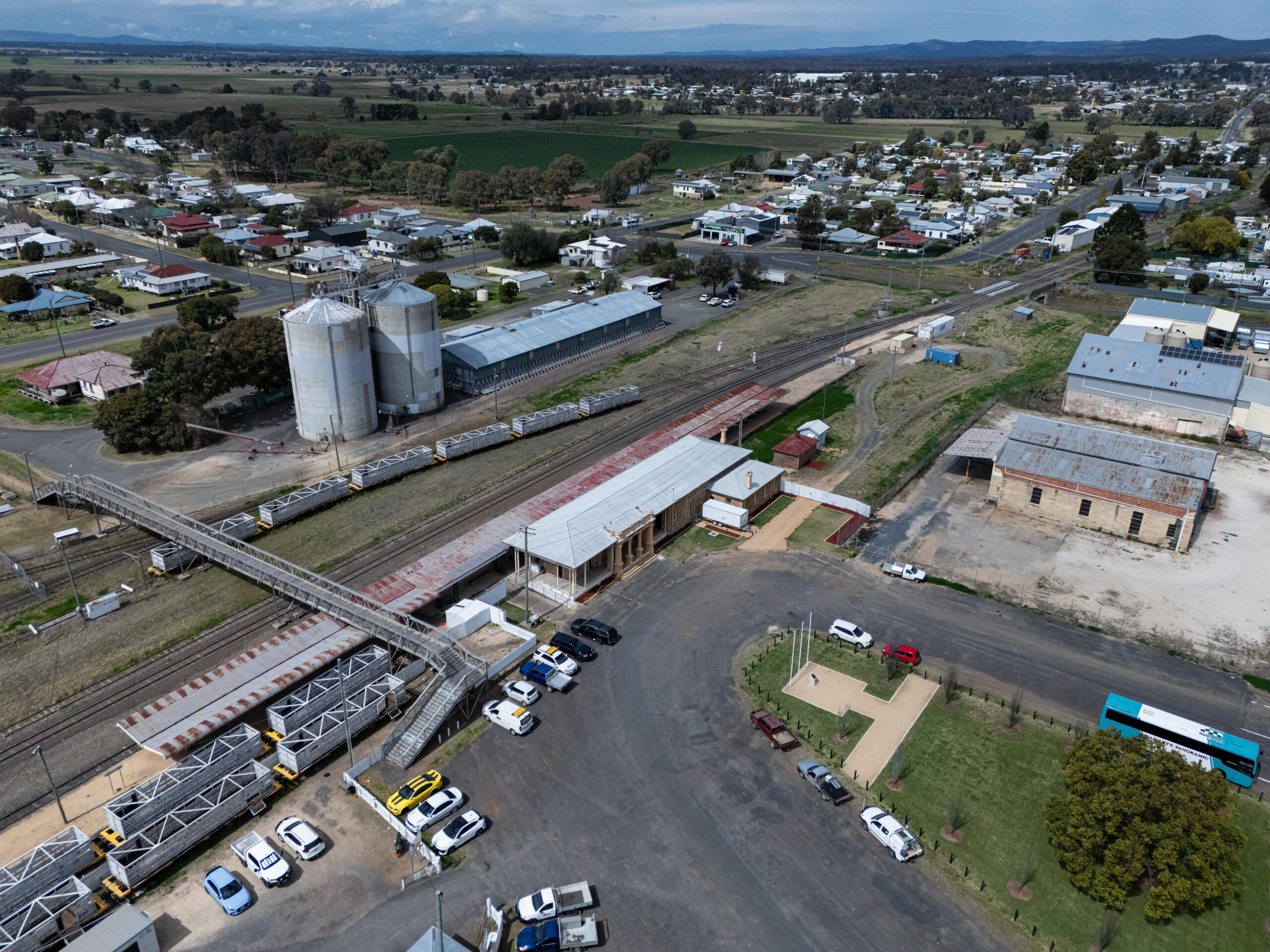
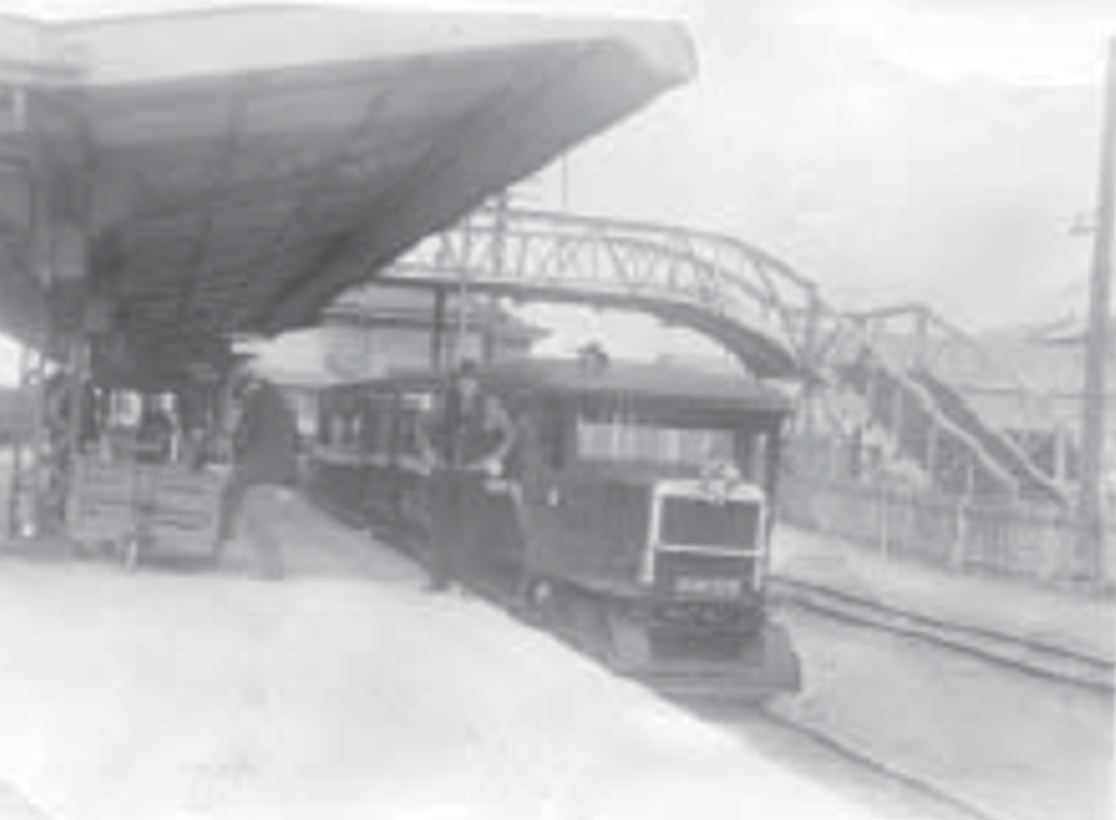
  • The steel and wrought iron footbridge built in 1913 is the only remaining rail footbridge of this type in Queensland that continues in its original use. in Queensland.

Aesthetic Significance

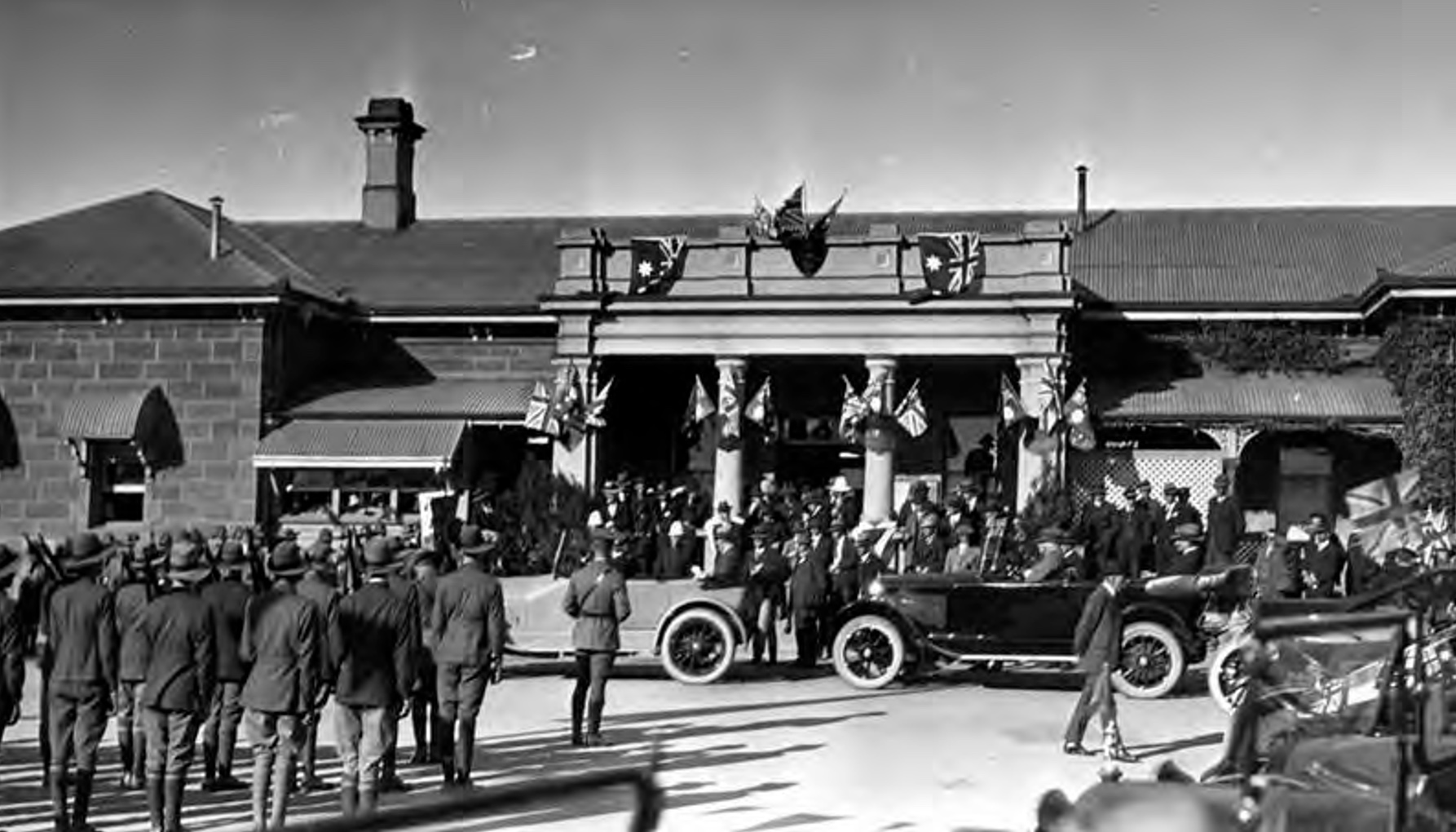
  • As a prominent sandstone public building in Warwick, set in the distinctive grounds of the Railway Complex with views to the building from Lyons Street enhanced by the driveway and gardens in front, the passenger station is a local landmark in the city of Warwick making a visual impact on the surrounding area. The detail of the pick dressed stone work on the external walls of the building, enhances its aesthetic merit, as does the entrance portico with its masonry classical columns.
  • The steel and wrought iron footbridge also has aesthetic significance as a large and impressive structure with landmark qualities. The design and workmanship of the angle iron braces and curved stays to the bridge trusses create visual impact.
  • The former ambulance room is also an uncommon surviving example of its type and the gentlemen’s toilets are rare as a surviving example of a 19th century detached toilet block associated with a station.

Architectural Significance

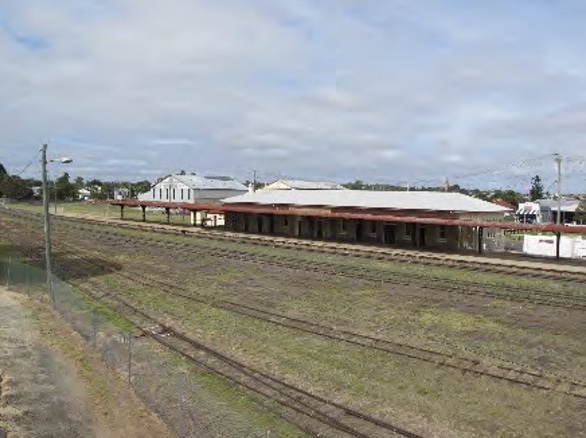
  • The Warwick rail complex retains sufficient integrity to demonstrate the layout and functioning of an important rail depot of the late 19th and first half of the 20th centuries. The group of passenger station buildings at Warwick make an important contribution to understanding the layout and functioning of the complex.
  • The integrity of the station building has been heavily compromised as a result of a fire in the 1960s, but its rarity as a sandstone station increases its importance in demonstrating the principal characteristics of this type of building. The integrity of the southern part of the building, especially the refreshment rooms and kitchen area, remains quite good.
  • The building retains elements that make it an example of a large railway passenger station from the 1880s. The layout of entrance vestibule, offices, refreshment room and toilets, and the way they addressed the main platform, followed an established pattern for most passenger stations in Queensland. This type of layout was repeated in various forms at many places. The practice of incorporating ladies waiting rooms and toilet closets within the main station building and having a separate freestanding men’s’ toilet block was common to railway stations throughout until the 1950s. The steel and wrought iron footbridge built in 1913 is unique in its design and construction in Queensland and represented a departure from the more common use of timber for footbridges in Queensland in this period.
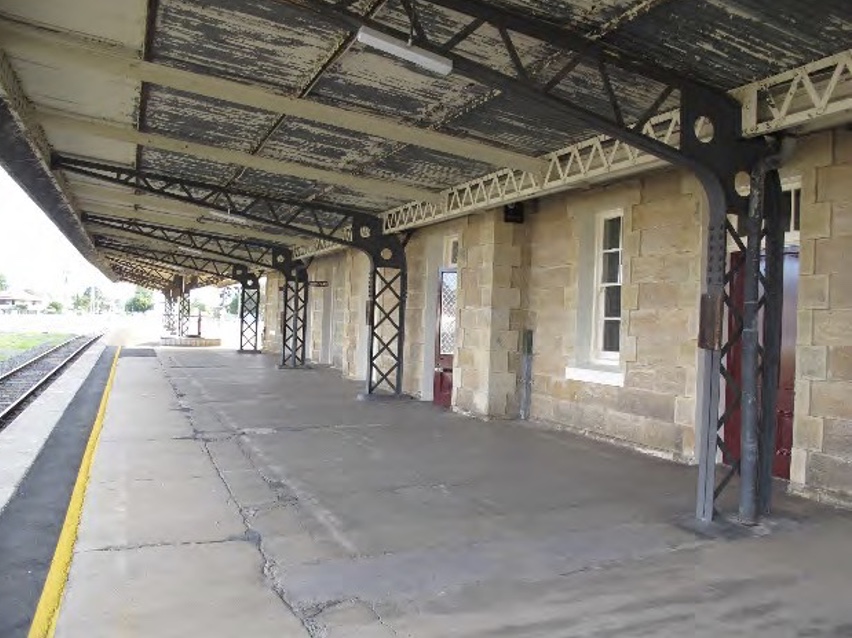
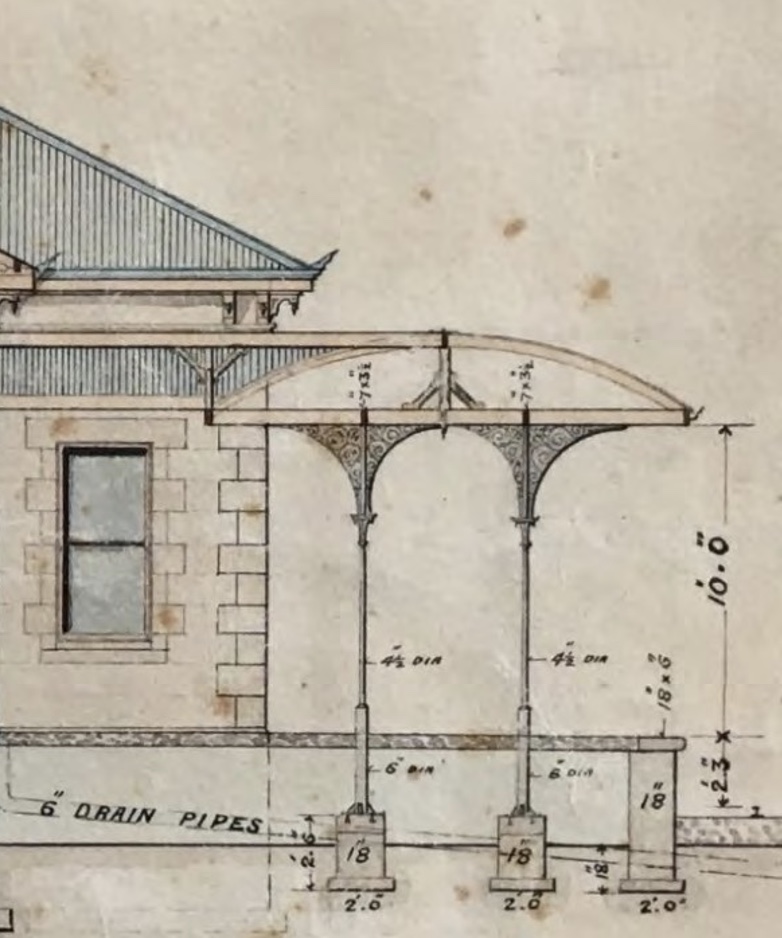
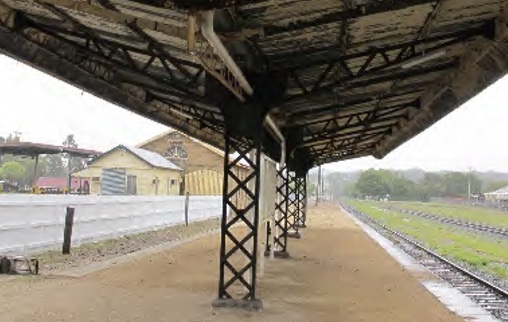
  • The platform shades (1925 and 1934) are an intact example of a typical steel lattice cantilever design used by the Department of Railways in the first half of the 20th century. The shades were designed by the Department and constructed at its own metal workshops at Northgate in Brisbane and featured in numerous other stations in Queensland.
  • The former ambulance room, complete with built-in timber bed and seat, retains a high level of integrity and is important in demonstrating the principal features of this type of building.
  • As a group, the passenger station and its associated gentlemen’s toilets and ambulance room, are important in demonstrating the layout of a typical major passenger station of the late 19th and early 20th centuries.
  • The former 19th century gentlemen’s toilet block is rare for its level of integrity and important in demonstrating the principal characteristics of a building of this type and period.

Social Significance

  • The passenger station and associated elements have a special association with the community of the Southern Darling Downs, as a regional centre of trade and travel for nearly a century. Railway stations played an important role as a community hub when rail travel was the major form of long distance transport in Queensland from the 1860s to the 1960s.
  • The place also has a special association with Queensland Rail employees who have worked and lived at the Warwick Railway complex, most notably evident in the passenger station with its marble Honour Board dedicated to Queensland Railway men who served in World War I.
  • The passenger station has a special association with the Australian Federal Police (AFP) from 1917 following the infamous “egg throwing incident” which was the impetus for the formation of the federal police. This association was demonstrated by the choice of Warwick Station for an AFP centenary ceremony in 2017 and the establishment of memorial gardens and a stone-mounted plaque situated in the forecourt

Spiritual Significance

  • Contained in the former entry hall of the passenger station, the marble World War I Honour Board dedicated to railwaymen of Warwick and district who served in World War I would have spiritual meaning to the descendants of these men, and to the wider local community as a place of memorial and remembrance.
 

Contact Us

Contact us about becoming a custodian, market stall holder, booking the Heritage Hall for a function, a tenancy or just a general inquiry. Connect with us by using the form below!